Uncategorized
Soursop Leaves: Benefits, Uses, Tea Preparation & Buying Guide
Feb
Soursop leaves have become increasingly popular in natural wellness communities around the world. Derived from the tropical tree known as Annona muricata, these leaves have been used for generations in traditional herbal practices across the Caribbean, Africa, South America, and Southeast Asia.
If you’ve been searching for soursop leaves near me, or wondering how to prepare soursop leaf tea, this complete guide explains everything you need to know — from traditional uses to preparation methods, benefits, and buying tips.
What Are Soursop Leaves?
Soursop leaves come from the same tree that produces the soursop fruit (also called graviola or guanabana). While the fruit is widely consumed fresh or in juice form, the leaves are typically:
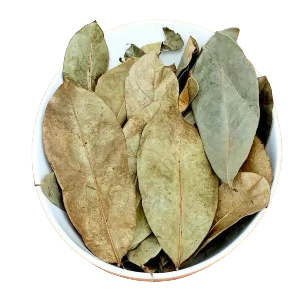
- Dried and brewed into herbal tea
- Ground into powder
- Used in traditional remedies
- Sold in capsules or extract form
The leaves are dark green, oval-shaped, and have a slightly bitter taste when brewed.
Traditional Uses of Soursop Leaves
For centuries, soursop leaves have been used in traditional medicine systems in tropical regions.
Common traditional uses include:
- Herbal teas for relaxation
- Digestive support remedies
- Immune support tonics
- General wellness infusions
In many Caribbean and African households, soursop leaf tea is part of traditional home herbal preparations.
Potential Benefits of Soursop Leaves
While research is still ongoing, soursop leaves are known to contain bioactive plant compounds such as:
- Acetogenins
- Alkaloids
- Flavonoids
- Antioxidants
Here are some commonly discussed potential benefits:
1. Rich in Antioxidants
it contain natural antioxidants that help combat oxidative stress in the body.
2. Supports Immune Function
Traditional use suggests soursop leaf tea may help support overall immune wellness.
3. May Promote Relaxation
Many people drink soursop leaf tea before bed due to its calming properties.
4. Digestive Support
In traditional medicine, it has been used to help soothe digestion.
5. General Wellness Support
Herbal communities value it as part of holistic wellness routines.
Important: Always consult a healthcare professional before using herbal remedies, especially if pregnant, nursing, or taking medications.
How to Make Soursop Leaf Tea
One of the most popular ways to use it is by making tea.
Ingredients:
- 5–10 dried soursop leaves
- 3 cups water
Instructions:
- Rinse the leaves thoroughly.
- Boil water in a pot.
- Add the leaves to boiling water.
- Reduce heat and simmer for 15–20 minutes.
- Strain the leaves.
- Drink warm or allow to cool.
Optional:
- Add honey
- Add lemon
- Mix with ginger
The tea has a slightly bitter, earthy flavor.
Fresh vs Dried Soursop Leaves
When searching for soursop leaves near you, you may find both fresh and dried options.
| Fresh Leaves | Dried Leaves |
|---|---|
| More potent aroma | Longer shelf life |
| Short shelf life | Easier to store |
| Must be used quickly | Convenient for tea |
Dried leaves are more commonly sold due to their longer storage stability.
Where to Buy Soursop Leaves Near You
If you’re searching online for “soursop leaves near me,” here are the best places to look:
1. Caribbean and African Grocery Stores
Many ethnic grocery stores carry dried leaves.
2. Herbal Shops
Natural herbal stores often stock soursop leaves in loose or packaged form.
3. Online Herbal Suppliers
Many websites sell:
- Organic dried soursop leaves
- Soursop leaf powder
- Capsules
- Extracts
When buying online, check:
- Organic certification
- Customer reviews
- Country of origin
- Packaging quality
How to Store Soursop Leaves
Proper storage helps preserve quality.
Dried Leaves:
- Store in airtight container
- Keep in cool, dry place
- Avoid direct sunlight
- Use within 6–12 months
Fresh Leaves:
- Refrigerate
- Use within a few days
- Can be air-dried for long-term storage
Soursop Leaves Dosage Guidelines
There is no universally established dosage. However, common traditional preparation includes:
- 1 cup of tea once daily
- 5–10 leaves per 3 cups of water
Because herbal strength can vary, start with smaller amounts and consult a healthcare professional.
Are There Side Effects?
it contain powerful plant compounds. Excessive consumption may cause:
- Digestive discomfort
- Lower blood pressure
- Possible interactions with medications
Individuals who should consult a doctor before use:
- Pregnant or breastfeeding women
- People with low blood pressure
- Individuals on prescription medication
- Those with chronic medical conditions
Moderation is important with any herbal product.
Why Are Soursop Leaves So Popular?
In recent years, interest in natural plant-based wellness products has grown significantly. Soursop leaves have gained popularity due to:
- Traditional history of use
- Social media exposure
- Growing demand for herbal teas
- Interest in tropical plant remedies
As a result, searches for “buy soursop leaves online” and “organic soursop leaves near me” continue to increase globally.
Organic Soursop Leaves: Are They Better?
Organic soursop leaves are grown without synthetic pesticides or chemical fertilizers. Many consumers prefer organic because:
- Reduced chemical exposure
- Environmentally friendly farming
- Higher quality perception
Always verify certifications when purchasing.
How to Identify High-Quality Leaves
When purchasing it, look for:
- Deep green color (if dried, slightly muted green)
- No mold or white residue
- Clean, intact leaves
- Pleasant herbal aroma
Avoid:
- Crumbly, dusty leaves
- Strong unpleasant smell
- Poorly sealed packaging
Frequently Asked Questions (FAQ)
1. What is it used for?
They are mainly used to make herbal tea and in traditional wellness practices.
2. Can I drink soursop leaf tea daily?
Moderate consumption is common in traditional use, but consult a healthcare provider for personalized advice.
3. Where can I buy it near me?
Check Caribbean grocery stores, herbal shops, or online herbal retailers.
4. is it safe?
When used in moderation, they are generally considered safe, but medical advice is recommended before use.
5. Can I grow my own soursop tree?
Soursop trees grow best in tropical and subtropical climates.
6. Do fresh leaves work better than dried?
Both can be effective; dried leaves are more convenient and longer-lasting.
Final Thoughts on Soursop Leafs
Soursop leafs are a traditional herbal remedy used for generations across tropical regions. Whether you prefer brewing tea, using powdered extracts, or incorporating them into your wellness routine, quality and moderation are key.
If you are searching for soursop leaves near me, explore local ethnic grocery stores, herbal shops, or reputable online suppliers offering organic, properly packaged leaves.
As with any herbal product, consult a healthcare professional before adding soursop leaves to your daily routine — especially if you have underlying health conditions.
