Uncategorized
Sweetsop: The Complete Guide to This Sweet Tropical Superfruit
Feb
Sweetsop is one of the most delicious tropical fruits you may not have tried yet. Known for its creamy texture and naturally sweet flavor, sweetsop is gaining popularity worldwide among fruit lovers and health-conscious consumers.
If you’ve been searching for sweetsop near me, or you’re simply curious about this exotic fruit, this complete guide covers everything you need to know — from taste and benefits to how to buy and store it properly.
What Is Sweetsop?
it is the fruit of the tropical tree scientifically known as Annona squamosa. It belongs to the same family as soursop and cherimoya.
It is commonly known by different names across the world:
- Sugar apple
- Custard apple
- Sweetsop
- Sitaphal (in India)
- Ata (in Brazil)
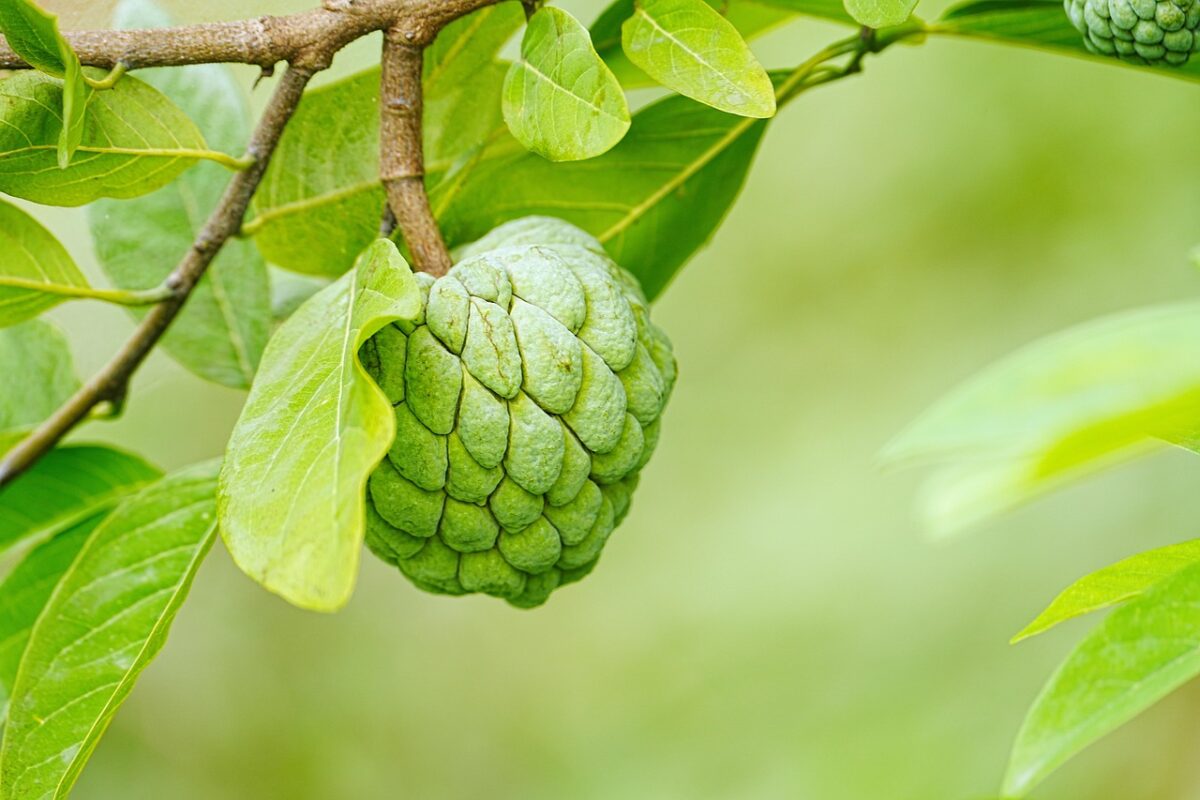
The fruit has a knobby green exterior and soft, creamy white flesh inside. It contains several black seeds and has a custard-like texture that melts in your mouth.
What Does it Taste Like?
it lives up to its name. The flavor is:
- Very sweet
- Creamy and smooth
- Slightly fruity with hints of vanilla
- Mild tropical aroma
Many people compare the taste to a mix of banana, pineapple, and vanilla custard.
If you enjoy naturally sweet fruits, sweetsop is often considered sweeter and less tangy than soursop.
Nutritional Value of Sweetsop
it is not only delicious — it’s packed with essential nutrients.
Key Nutrients in Sweetsop:
- Vitamin C
- Vitamin B6
- Potassium
- Magnesium
- Dietary fiber
- Natural sugars
- Antioxidants
Health Benefits of Sweetsop
- Supports Immune Health
High vitamin C content helps support immune function. - Aids Digestion
Fiber promotes healthy digestion and gut health. - Provides Natural Energy
Natural sugars provide a quick, healthy energy boost. - Rich in Antioxidants
Helps combat oxidative stress in the body. - Supports Heart Health
Potassium helps regulate blood pressure levels.
Sweetsop vs Soursop: What’s the Difference?
People often confuse sweetsop with soursop, but they are different fruits from the same family.
| Sweetsop | Soursop |
|---|---|
| Very sweet flavor | Sweet with tangy citrus notes |
| Smaller fruit | Larger fruit |
| Knobby segmented skin | Spiky green skin |
| Creamy custard texture | Slightly fibrous texture |
Sweetsop is typically sweeter and softer, while soursop has a more refreshing, slightly sour profile.
Where to Buy Sweetsop Near You
If you are searching for “sweetsop near me,” here are the best places to look:
1. Caribbean and Asian Grocery Stores
Ethnic markets often stock fresh sweetsop during peak season.
2. Farmers’ Markets
In tropical or subtropical regions, local farmers may sell it.
3. Specialty Fruit Stores
Gourmet and exotic fruit retailers sometimes carry it.
4. Online Tropical Fruit Farms
Many farms now ship fresh sweetsop directly to customers with express delivery.
Search terms to use:
- Buy sugar apple near me
- Fresh sugar apple delivery
- Order custard apple online
How to Choose a Ripe Sweetsop
When buying it, look for:
1. Color
- Light green or slightly yellowish
- Avoid dark brown spots
2. Texture
- Slightly soft when gently pressed
- Too hard = not ripe
- Too mushy = overripe
3. Segments
The fruit’s outer segments should look full and slightly separated when ripe.
How to Eat it
Eating it is simple:
- Wash the fruit.
- Cut it in half.
- Scoop out the creamy flesh with a spoon.
- Remove and discard the black seeds (do not chew the seeds).
The seeds are not edible.
Creative Ways to Use it
Although most people eat it fresh, sweetsop can also be used in:
- Smoothies
- Milkshakes
- Ice cream
- Fruit bowls
- Desserts
- Yogurt toppings
it is Smoothie Recipe
Blend:
- 1 cup sweetsop pulp
- 1 cup almond milk
- 1 banana
- Ice cubes
Blend until smooth and enjoy a tropical treat.
Is it Seasonal?
Yes, it is seasonal in many regions.
Peak seasons typically include:
- Late summer
- Early fall
- Tropical climates may produce year-round
Availability depends heavily on climate and import supply.
How to Store it
If Unripe:
- Leave at room temperature for 2–3 days.
If Ripe:
- Refrigerate and consume within 2 days.
Freezing:
- Remove pulp and freeze in airtight container for up to 3 months.
Is it Organic Better?
Organic it may offer:
- Reduced pesticide exposure
- More natural farming methods
- Potentially better taste
However, always wash fruit thoroughly before eating.
Why Is it Becoming More Popular?
The rise of tropical superfruits has increased demand for it worldwide.
Consumers are now:
- Exploring exotic fruits
- Seeking natural sweetness
- Looking for nutrient-dense foods
- Interested in plant-based diets
Social media and health trends have helped spotlight it as a premium tropical fruit.
Average Price of it
Prices vary depending on:
- Season
- Location
- Import costs
- Organic certification
Typical price range:
- $4 to $12 per pound
Imported fruit may cost more in colder regions.
Frequently Asked Questions (FAQ)
1. What is it?
it is a tropical fruit from the Annona family, known for its creamy texture and sweet flavor.
2. Is it the same as sugar apple?
Yes, it is commonly called sugar apple.
3. Can you eat the seeds?
No, the seeds are not edible and should be removed.
4. How do I know when it is ripe?
It should feel slightly soft and the segments should begin to separate.
5. Is it healthy?
Yes, it contains vitamins, fiber, potassium, and antioxidants.
6. Where can I buy sweetsop near me?
Check Caribbean, Asian, or specialty grocery stores, farmers markets, or order from tropical fruit farms online.
Final Thoughts on it
it is one of the sweetest and creamiest tropical fruits available today. Whether you enjoy it fresh, blended into smoothies, or used in desserts, it delivers incredible flavor along with valuable nutrients.
If you’re searching for sweetsop near me, explore local ethnic markets, specialty fruit shops, and online tropical farms to find high-quality fruit.
Once you try it, you’ll understand why sweetsop is quickly becoming a favorite among exotic fruit lovers worldwide.
